Related Articles
- Top 6 Niche Credit Cards from the Past Five Years That Exploit Unseen Reward Loopholes
- Unmasking the Silent Influence of Social Media Challenges on Long-Term Financial Behavior and Credit Recovery
- How Microcredit Dynamics in Remote Communities Are Redefining Access and Trust Beyond Traditional Credit Metrics
- How Cultural Attitudes Shape Collective Borrowing Habits and Their Impact on Financial Unification Strategies
- Top 5 Under-the-Radar Digital Loan Services Launched Since 2019 That Are Disrupting Traditional Borrowing Norms
- Top 6 Cutting-Edge Financial Wellness Platforms Redefining Debt Recovery Tools Released Since 2019
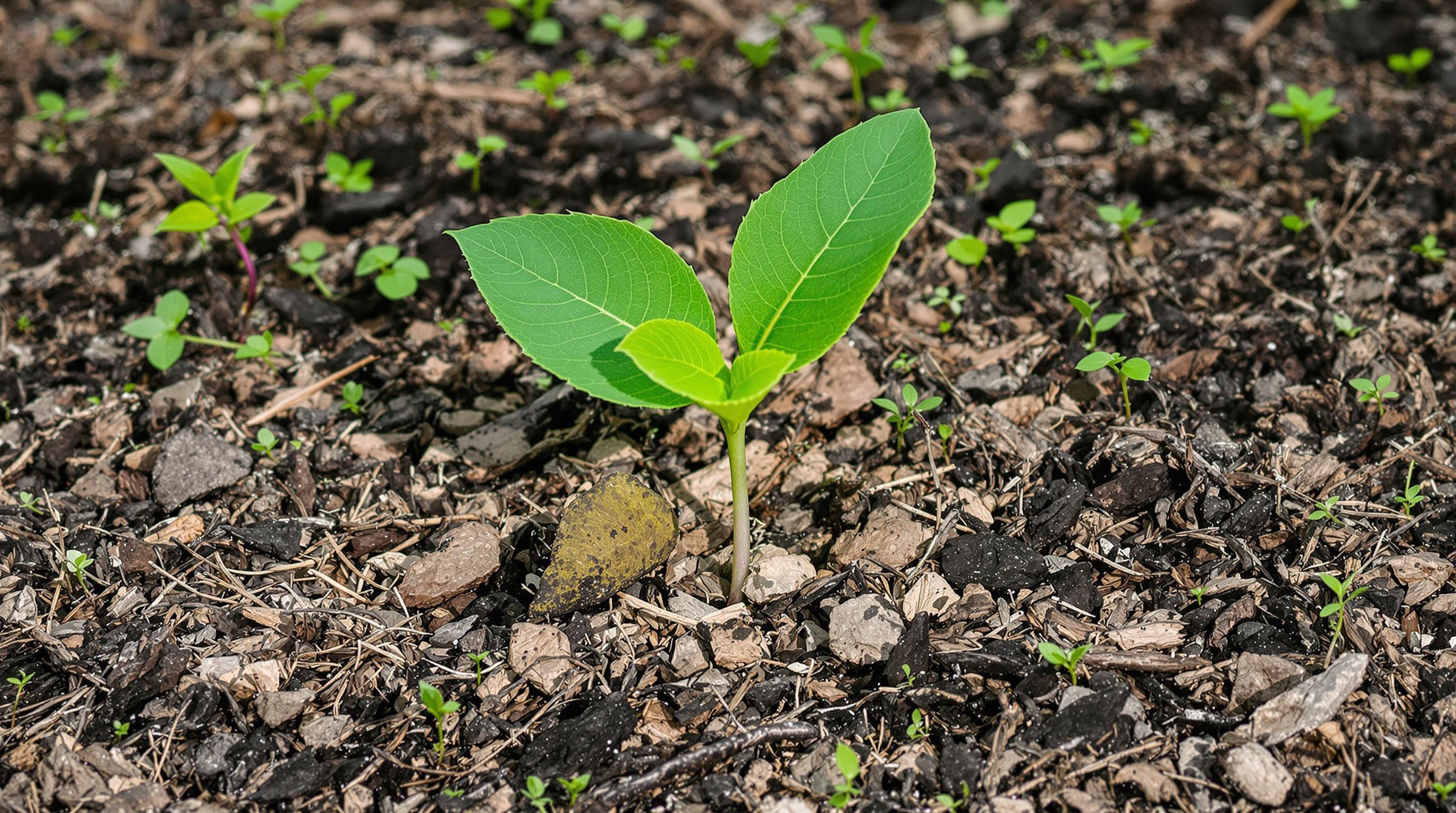
7 Emerging Green Loan Products Launched Since 2019 That Are Transforming Sustainable Borrowing Choices
7 Emerging Green Loan Products Launched Since 2019 That Are Transforming Sustainable Borrowing Choices
Since 2019, a wave of innovative green loan products has reshaped the ways individuals and businesses fund sustainable initiatives, offering diverse options tailored to eco-conscious borrowers. This article explores seven standout green loan offerings, blending data, storytelling, humor, and formal analysis to illustrate their transformative impact.
Green Mortgages: Building a Sustainable Home with a Smile
Imagine a mortgage that not only finances your dream home but also slashes your carbon footprint. That’s the promise of green mortgages, skyrocketing in popularity since 2019. Take, for instance, the UK’s Nationwide Building Society, which launched its green mortgage with a discounted interest rate for energy-efficient homes in 2020. The bank noticed a 30% increase in green mortgage uptake within a year.
Why the enthusiasm? Well, not only do these loans reward energy-conscious builders, but they also translate into lower monthly utility bills—putting money back in your pocket while saving the planet. It’s a win-win wrapped in the comforting glow of a well-insulated home.
Case Study: The Rise of Green Mortgages in the UK
Between 2019 and 2022, green mortgages accounted for 5% of new mortgage originations in the UK, a figure projected to double by 2025 (UK Finance, 2023). The surge correlates closely with national incentives like the Energy Efficient Homes Scheme, which backs low-carbon residential development.
Conversational Dive: Hey, Heard About Sustainability-Linked Loans?
So, you know regular loans, right? They just give you money and expect you to pay it back. But sustainability-linked loans (SLLs) add a cool twist—they reward borrowers for hitting environmental milestones! Take the example of Banco Santander, which launched its SLL for SMEs in 2021, awarding a 0.5% interest reduction if companies lower greenhouse gas emissions.
Pretty neat, huh? It’s like the bank’s saying, "We got your back if you help save the Earth." Research shows that firms using SLLs reported an average 12% reduction in carbon emissions within the first year (Global Sustainable Finance, 2022). That’s not just talk—it’s significant progress!
From Skepticism to Enthusiasm: Personal Reflection
As a 67-year-old who has seen various financial trends come and go, I’m genuinely excited about how banks are now aligning profits with planetary health. It’s refreshing to see lenders not just care about credit scores but also about carbon scores.
The Rise of Green Auto Loans: Driving Change One Vehicle at a Time
Electric cars, hybrid rides, biofuel vehicles—getting one just got easier thanks to green auto loans. Since 2019, financial institutions worldwide have recognized the need to green the transportation sector. For example, Wells Fargo announced a dedicated green auto loan product in 2020, offering up to a 1% interest rate reduction for EV purchases.
Let’s talk numbers: EV market share in the U.S. jumped from 2% in 2019 to nearly 12% by 2023 (IEA, 2024). And green auto loans have undoubtedly helped accelerate that trajectory by making sustainable rides more affordable.
Anecdote: How a Green Loan Fueled My EV Adventure
Back in 2021, I was hesitant to go electric—price tags were daunting. But a green auto loan made the difference. With the 0.75% interest discount and government incentives combined, I bought my first EV. Since then, not only has my wallet been happier, but I've been delighting in zero tailpipe emissions and silent drives.
Humorous Slice: You might say solar loans give new meaning to “sunny savings.”
Solar loans, which finance rooftop panels and solar installations, have exploded since 2019—and with good reason. Imagine paying a loan for panels that eventually pay you back in clean energy savings! According to the Solar Energy Industries Association, solar loan originations increased by 150% between 2019 and 2023.
One cheeky homeowner quipped, "My solar loan is the best kind of loan—I pay it ‘forward’ with sunshine dividends." Financing like this makes adopting solar not just clever but literally bright.
Formal Insight: Green Revolving Funds (GRFs) as Sustainable Investment Tools
Green Revolving Funds provide institutions with a self-sustaining source of capital for energy efficiency and sustainability projects. Characterized by reinvestment of cost savings into new initiatives, GRFs have been adopted by universities, municipalities, and corporations since 2019.
Harvard University’s GRF reported a 23% return on investments over five years, with more than $10 million funneled into climate resilience projects (Harvard Green Fund Report, 2023). Such funds illustrate the synergy of financial prudence and ecological stewardship, making sustainability practically profitable.
Green Personal Loans: Because Sustainability Should Be Personal
Why should businesses have all the fun? Green personal loans empower individuals to finance purchases like energy-efficient appliances, home insulation, or even tree planting. Launched by institutions like ING Bank since 2019, these loans often feature lower rates contingent upon the eco-friendliness of the purchase.
According to a 2022 survey, 60% of borrowers using green personal loans reported increased satisfaction with their financial decisions, feeling aligned with personal values (Sustainable Finance Study, 2022).
Storytelling: The Startup Revolutionizing Sustainable Borrowing
Enter EcoFinance, a fintech startup founded by a group of 30-somethings in 2020, aiming to simplify green borrowing. Their product? A streamlined app that matches users with green loan offers while calculating the carbon impact of loans.
One user, a 24-year-old graphic designer, shared, "EcoFinance made it easy for me to pick a loan and actually understand how my money supports sustainability—not just from a sticker price, but from an environmental lens.” Since launch, EcoFinance has facilitated over $100 million in green loans, proving that tech-savvy, sustainability-minded financiers are changing the game.
Persuasive Note: Why Choose Green Loans? Because the Planet Can’t Wait.
To those on the fence, consider this: the global climate crisis demands urgent action, and your borrowing choices are a powerful tool. Green loans aren’t just about financing—they are statements of intent, commitments to cleaner energy, smarter resource use, and healthier communities.
Borrowing green means you can contribute directly to the reduction of millions of metric tons of carbon dioxide annually. According to the Climate Bonds Initiative, green loans contributed to 27 million metric tons of CO2 equivalent reductions globally in 2022 alone.
Opting for green loans is an investment in a livable future, a practical, accessible way for individuals and businesses across ages—from 16-year-old first-time borrowers to 70-year-old retirees—to participate in ecological stewardship.
Read More